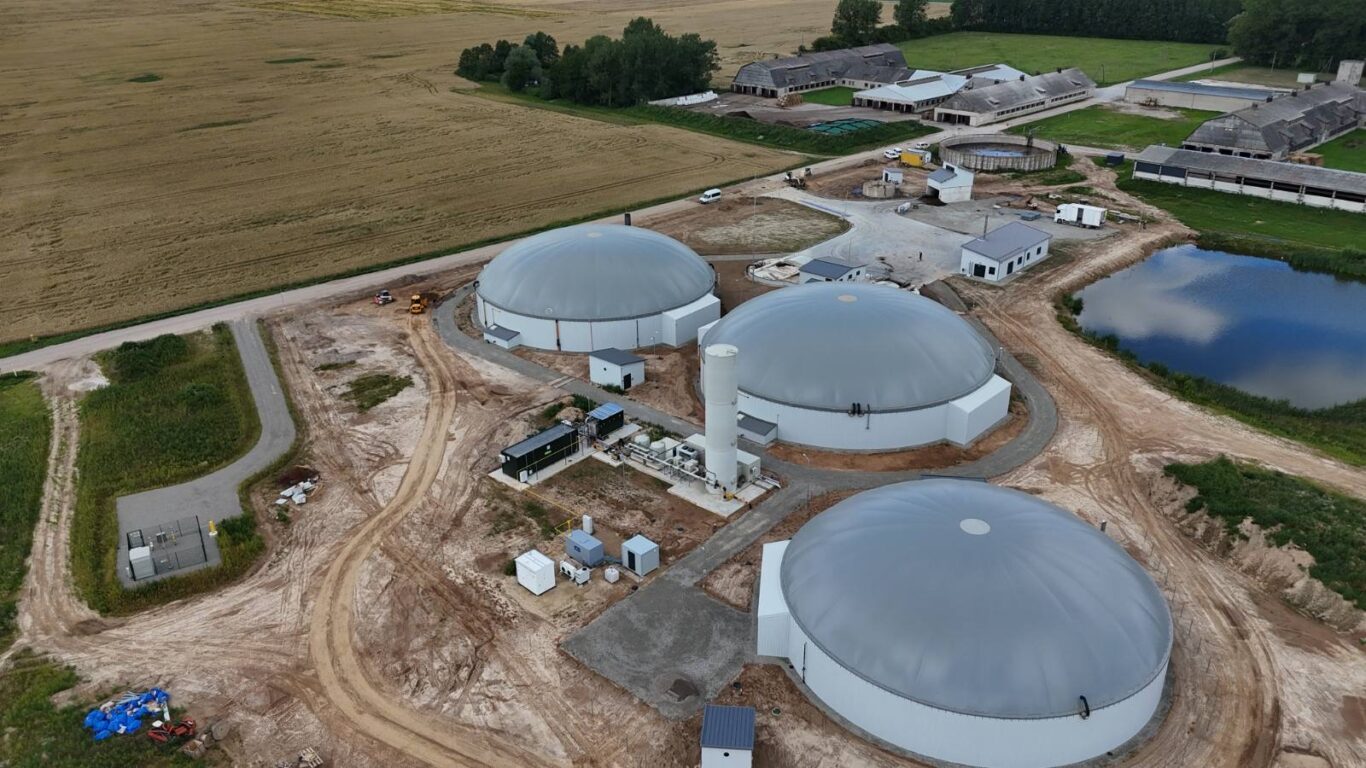
AB Akola Group, one of the largest agribusiness and food production groups in the Baltics, has started commercial biomethane production in Lukšiai (Šakiai District, Lithuania). The project involved an investment of EUR 11 million, of which nearly EUR 3.5 million was funded by the European Union. The plant has an annual production capacity of up to 36.35 GWh of biomethane, which will be injected into the national gas transmission network and exported to European markets.
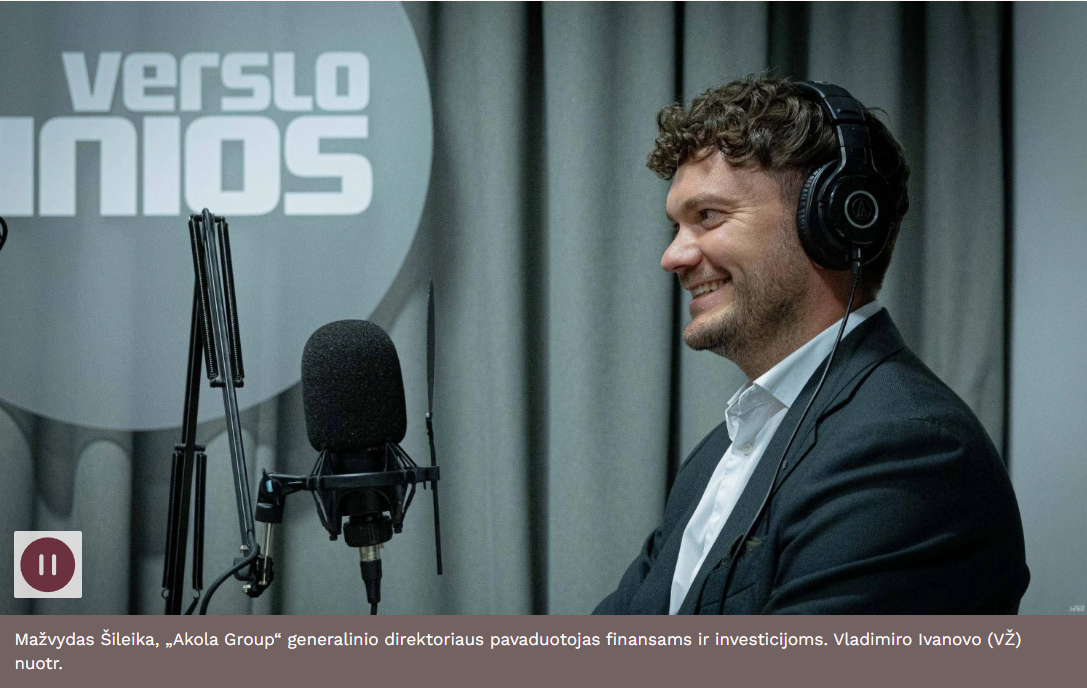
“Lukšiai biomethane plant is the first project of its kind within our Group and marks a new business direction alongside AB Akola Group’s traditional activities – renewable energy. This project enables us to convert organic waste generated in agriculture and food production into renewable energy while returning the nutrients remaining after the production process back to the fields. For a long time, agriculture was seen primarily as a producer of food raw materials. Today, it is also becoming a source of green energy,” says Mažvydas Šileika, Deputy CEO for Finance and Investments at AB Akola Group.
The biomethane plant uses organic feedstocks generated within the Group, including cattle manure and slurry, poultry manure, feed unsuitable for use, and organic residues from grain cleaning. Up to 70% of the processed biomass will consist of organic materials originating from livestock farming.
It is estimated that, once operating at full capacity, the plant will reduce greenhouse gas emissions by approximately 12,500 tonnes of CO₂ equivalent annually – comparable to removing around 5,000 passenger cars from the roads.
The digestate produced during the biogas generation process will be used to fertilise the agricultural land cultivated by Lukšių ŽŪB Agricultural Company. This is expected to reduce the need for mineral fertilisers by up to 30%.
The location next to Lukšių ŽŪB Agricultural Company was selected deliberately. It is one of the Group’s largest and most modern farming operations, managing more than 3,000 hectares of agricultural land and maintaining over 1,600 livestock units. Its proximity to the national gas transmission pipeline enabled the efficient connection of the biomethane plant to Lithuania’s gas infrastructure.
The plant operates as a closed system, ensuring that the production process complies with stringent Lithuanian and European Union environmental standards. During biogas production, most organic matter is decomposed, while the remaining digestate is stored in sealed tanks, ensuring effective odour control and minimising environmental impact.
Lukšiai biomethane plant has already obtained the internationally recognised RedCert sustainability certification, enabling the biomethane it produces to be traded across European markets. The project was implemented together with experienced technology partners. The main biogas production equipment was supplied by Germany’s Ellmann Engineering GmbH, while the biomethane upgrading system was provided by the Netherlands-based DMT.
To support the continued expansion of its renewable energy activities, AB Akola Group established a new subsidiary, UAB Akola Bioenergy, in June this year. The company will develop and manage biomethane and other renewable energy projects, consolidating the Group’s bioenergy expertise and enabling the more efficient implementation of future investment projects.