A report published by the European Commission this summer contains a statement that may seem remarkable at first glance: Lithuania’s agriculture and food and beverage manufacturing sectors have become more productive than those of the Nordic countries. This shift comes as no surprise to industry professionals. But it raises an important question: having learned to produce more efficiently than the Scandinavians, can we also translate that efficiency into higher earnings?
The European Commission’s (EC) report, “Sectorial Competitiveness in the Baltic Countries: A Revealed Productivity Approach”, published in July this year, finds that between 2010 and 2022, relative productivity in Lithuania’s agriculture and food industry not only grew faster than in the Nordic countries but also surpassed Nordic levels.
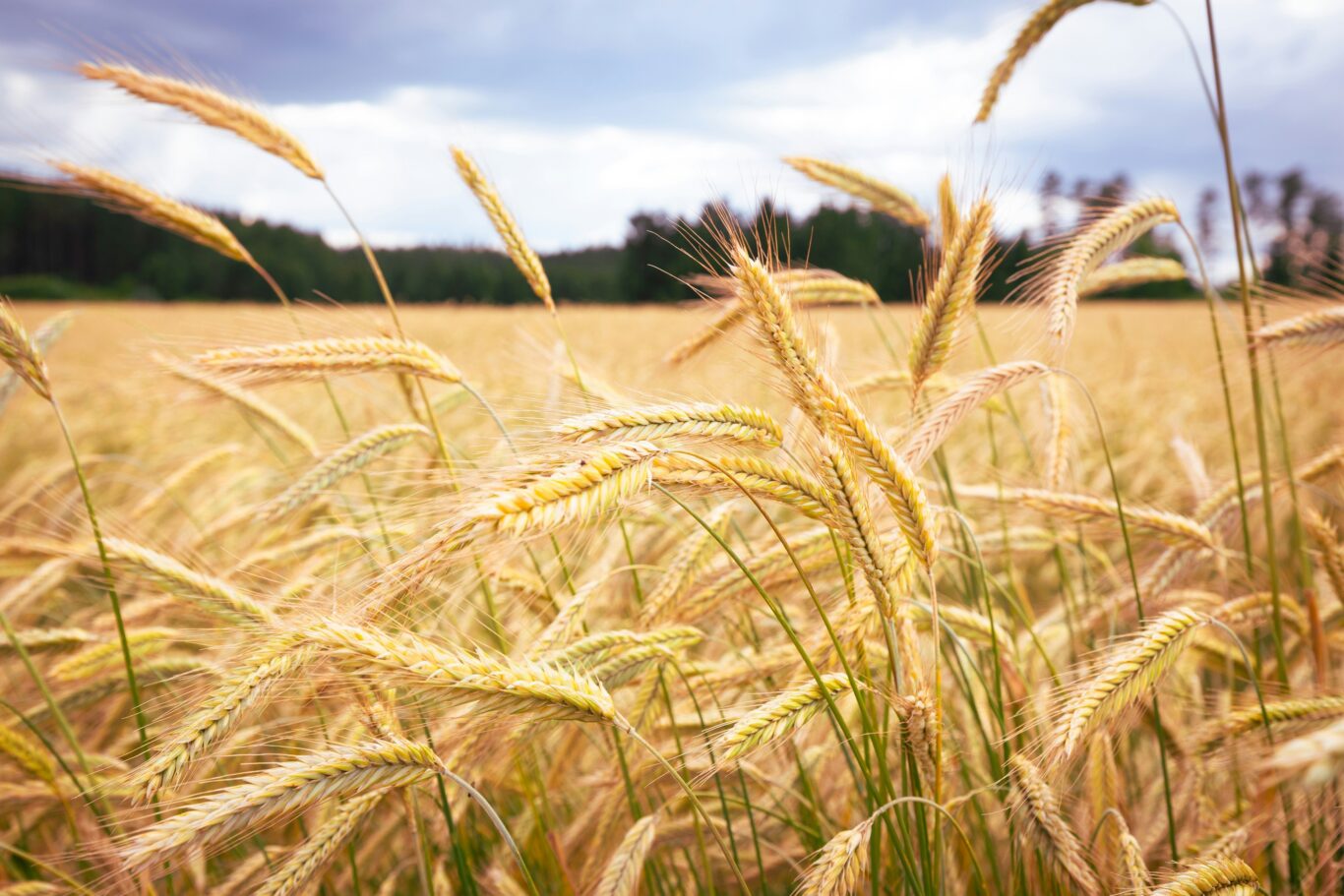
According to the report, the breakthrough in Lithuania’s agricultural sector was driven primarily by structural changes and rapid technological modernisation. Farms and capital became more consolidated during this period, while investment increased in modern equipment, digitalisation, precision fertiliser application, grain storage and other areas, supported by extensive use of EU rural development funding.
In the food and beverage industry, Lithuania stood out in the region for its broad product range and strong exports to both EU and non-EU markets. Lithuania not only invested heavily in modern processing lines but also began doing so earlier than its neighbours.
Where we once competed on our ability to produce more at a lower cost, we must now learn to earn more from what we produce. This requires efficient production, higher-value-added products and brands of our own.
The Next Competitive Advantage Lies Beyond the Fields
My own interpretation of the report’s findings is that we have probably just made a rapid return to where we should have been had we spent the past century on the other side of the Baltic Sea, or had more favourable neighbours. Yet catching up with the West also changes the rules of competition. Adopting technologies or business models developed by others is no longer enough: increasingly, we will need to develop new solutions ourselves.
In its latest research and innovation roadmaps to 2040, “AgRI 2040” and “Food 2040”, the EC sets out fairly clearly what European agriculture and the food industry will need in the coming decades: stronger value chains, resilience to climate challenges, and sustainability underpinned by the bioeconomy and resource efficiency.
The sector’s own evolution is equally important. Further progress in digitalisation and the adoption of artificial intelligence and robotics is essential, as is bringing research and innovation to market more quickly.
All this may sound like bureaucratic slogans, but the reality is simple: those who spot the opportunities first will win.
As the climate changes, our region’s role in Europe’s food security may become even more significant. Yet even with favourable conditions for agriculture, the greatest economic gains will come from investing in processing as well as growing and exporting raw materials. Technology must help us both increase yields per hectare or reduce factory costs and create more value from the same raw material.
Governments and private businesses alike must invest in bringing technology, science and agriculture together. One example is GeoFace, a Lithuanian smart farming system whose development our Group has helped fund.
Digitalisation, artificial intelligence and advanced technologies have already helped Lithuania achieve breakthroughs in other sectors, producing several billion-dollar “unicorns” and global success stories. I have no doubt that this Lithuanian technological talent and ambition will soon make their mark on the strategically important, yet still relatively slow-moving, food and agriculture sector.
The Courage to Create Our Own
Lithuania has already proved that it can compete with Scandinavia in agricultural and food industry productivity. But can we confidently imagine that, in a decade’s time, a Lithuanian food brand will be as familiar around the world as some of our technology businesses are today? I believe this is entirely achievable.
Of course, production capacity alone will not be enough. We will need to invest more boldly in product development, marketing and international expansion—areas that become particularly important when the ambition is to both make a product and establish it in the global market.
In many cases, the greatest obstacle is—or perhaps already was—in our own minds: a lack of self-confidence. Fortunately, that confidence is growing every day. And if the legendary Shaquille O’Neal is already advertising a Lithuanian IT product on buses in California and in New York’s Times Square, why couldn’t he one day promote a Lithuanian cereal bar or functional beverage?
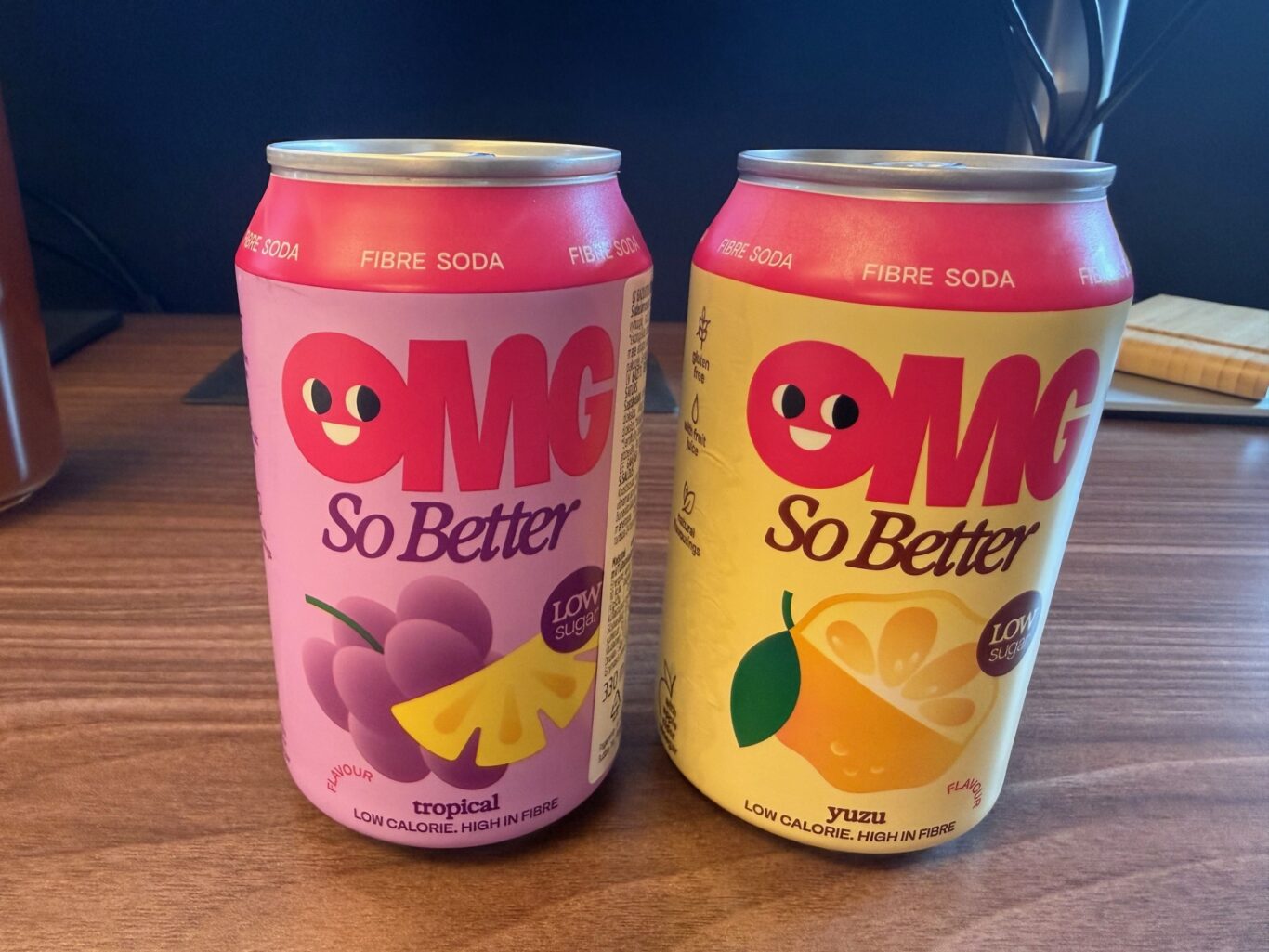
Our country has already proved that it can be one of the region’s most efficient food producers. But we should not settle for being a country that grows raw materials for others or manufactures products they have developed. Our next goal is to create Lithuanian products and brands that the world is willing to pay more for.
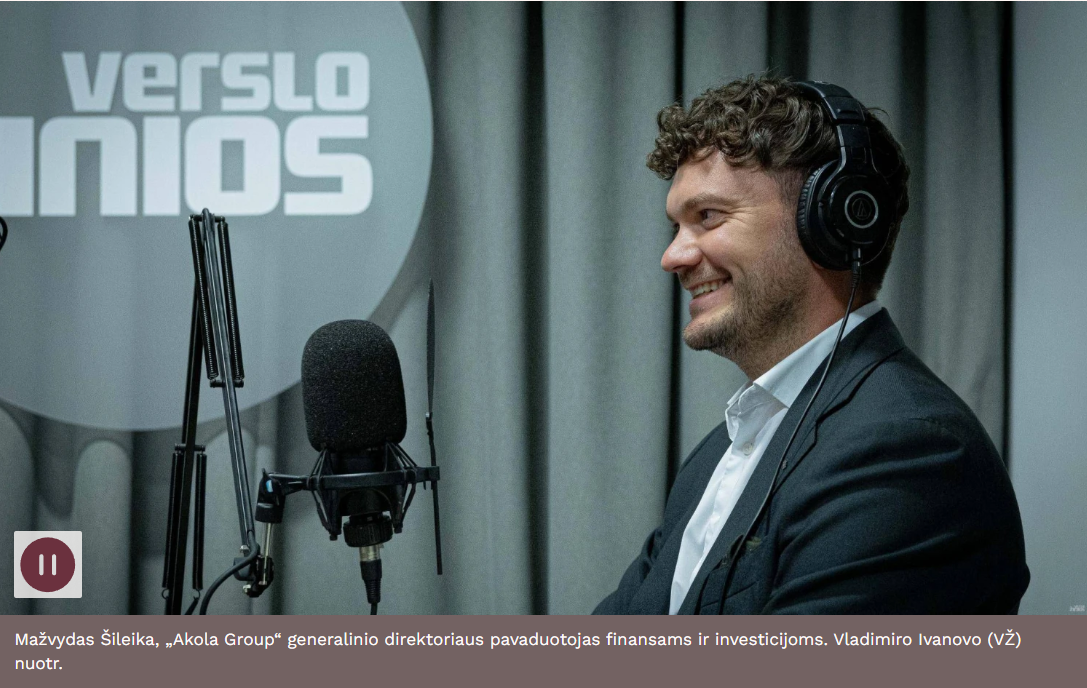
Expert commentary by Mažvydas Šileika, Deputy CEO for Finance and Investments at Akola Group