One of the largest agribusiness and food production groups in the Baltics, Akola Group, plans to commission its first biomethane plant this year. For the Group, biomethane development is a strategic investment that simultaneously addresses energy efficiency, sustainability, and circular-economy objectives.
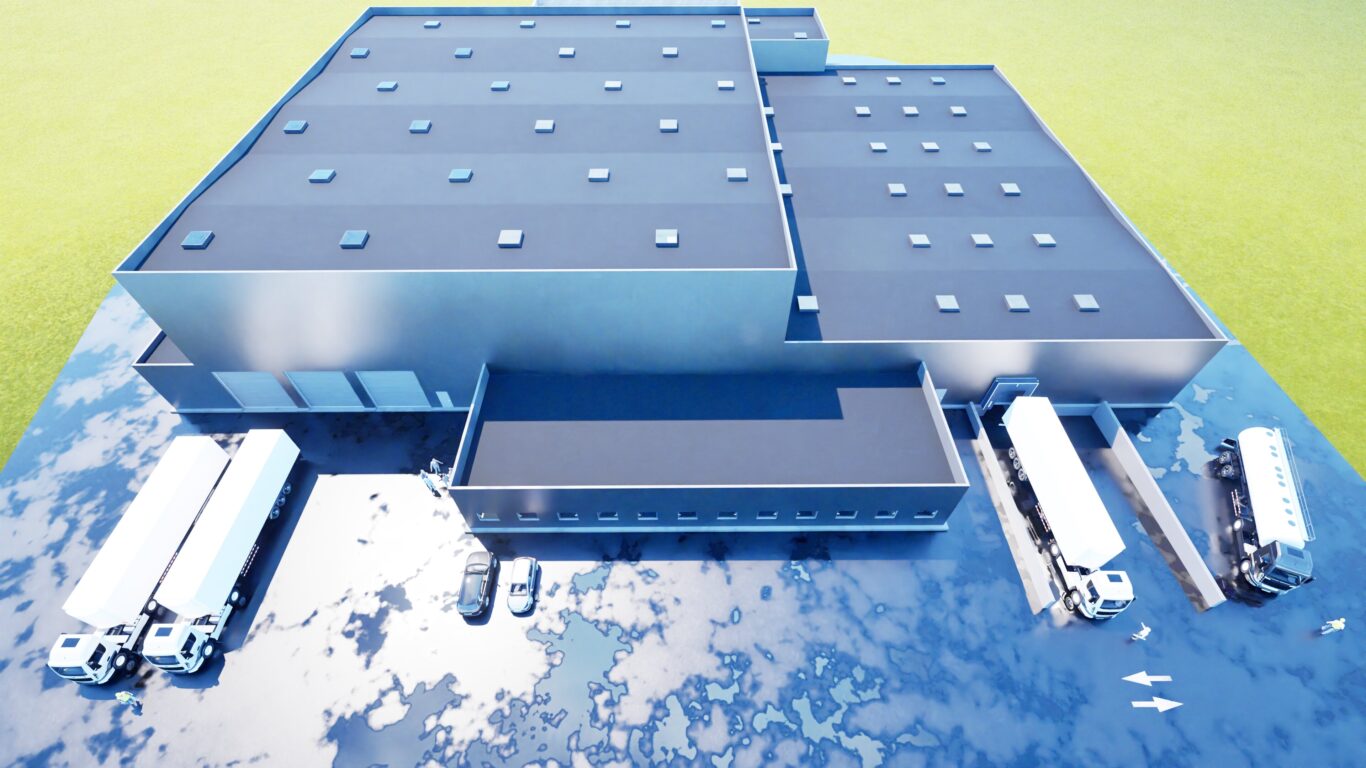
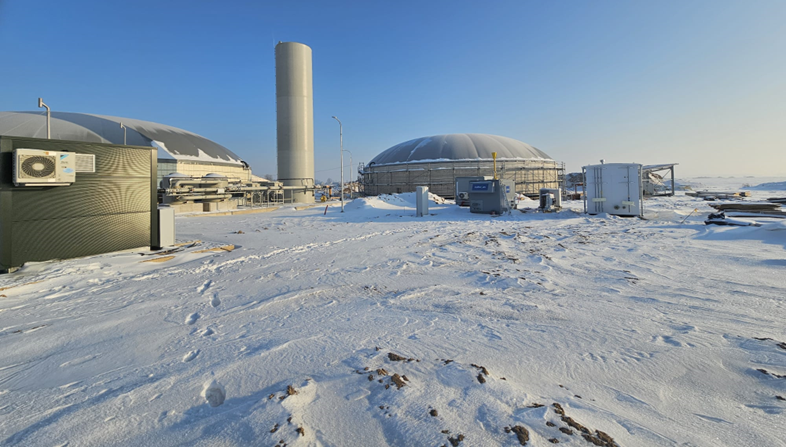
The first Akola Group biomethane plant is being built in the village of Plyniai, Šakiai district. The facility will be located next to a Group-owned agricultural company that will supply the plant with livestock manure—the primary feedstock for producing these green gases.
“The Lukšiai biomethane plant is the first project of this kind within our Group, so it will provide valuable practical knowledge and experience. This experience will form a solid basis for consistently and thoughtfully assessing further biomethane development opportunities, taking into account economic, technological, and environmental aspects,” says Mažvydas Šileika, Deputy CEO for Finance and Investments at Akola Group.
The plant is expected to produce 36 GWh of biomethane per year, which will be injected into the natural gas transmission network operated by Amber Grid. Total investment in the project amounts to approximately EUR 9 million.
Installation of the Lukšiai biomethane plant has already reached the final stage, with finishing construction works and equipment installation currently underway. The plant has undergone a RedCert audit, enabling not only biomethane production but also its trade on the European market.
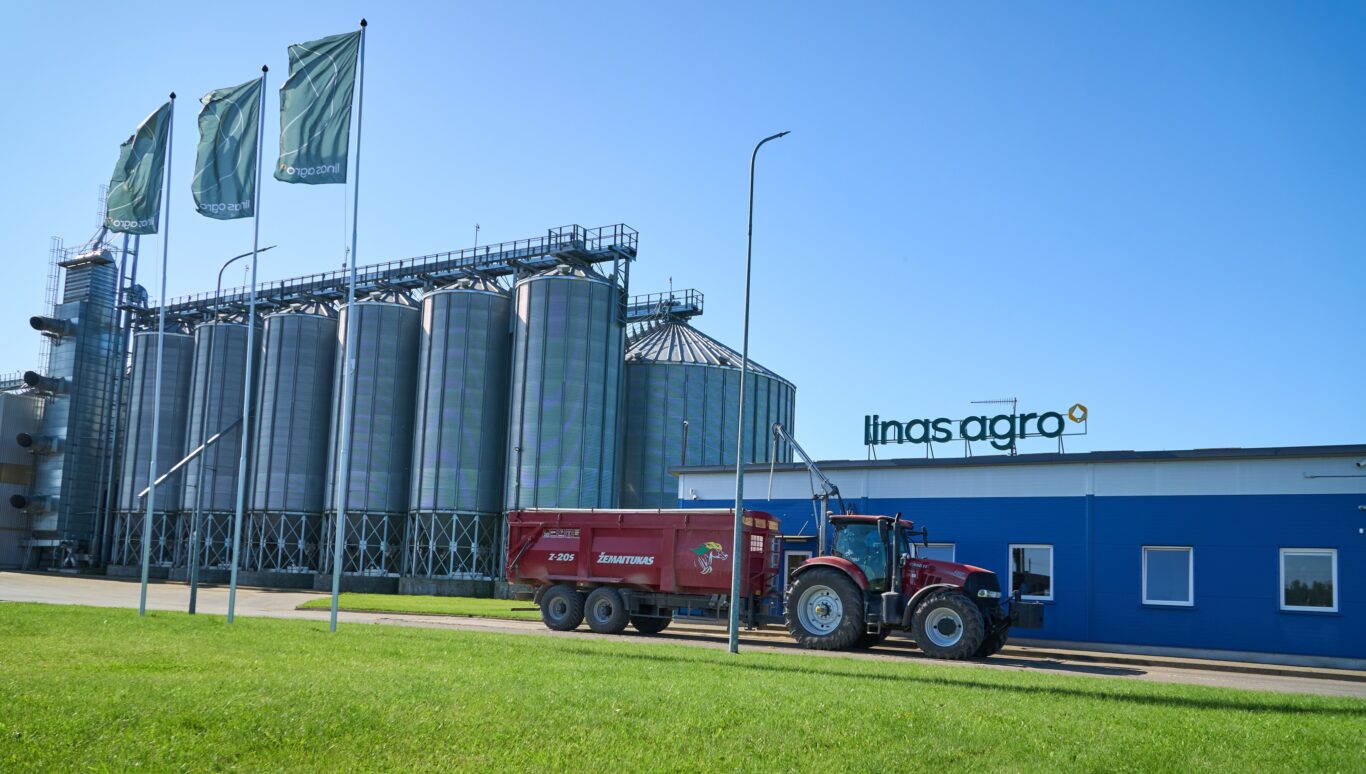
According to Tomas Rumelaitis, Head of the Business Development Department at Akola Group-owned Kauno grūdai, who is responsible for the implementation of the Lukšiai project, biomethane produced from livestock waste will create tangible economic value. In addition, digestate generated during biogas production is planned to be used for field fertilisation.
“Biomethane is an excellent example of how a circular-economy cycle can be created at Group level,” notes T. Rumelaitis.
He adds that the Lukšiai biomethane facility will operate in closed systems, preventing odour emissions and the release of harmful substances. The modern technologies used comply with strict Lithuanian and EU environmental requirements, while operations will be continuously monitored and controlled. Processing livestock manure into clean energy simultaneously reduces environmental pollution, making it a safe and community-friendly solution.
Significant Potential, but a Need for State Support
According to representatives of Kauno grūdai, biomethane could become a long-term component of Lithuania’s energy system, strengthening energy security and playing a particularly important role in hard-to-electrify sectors such as industry, heat generation, and transport.
Based on Amber Grid forecasts, Lithuania could produce around 1.4 TWh of biomethane by 2030. While this is a realistic, it is also an ambitious projection. In 2024, Lithuania had 41 biogas plants producing approximately 337 GWh of biogas, while biomethane production in the country effectively began only in 2023. It is estimated that by 2028, around 12 biomethane plants could be operating in Lithuania—provided there is a stable investment environment and clear, long-term support mechanisms.
The greatest biomethane production potential in Lithuania lies in the use of agricultural residues and manure, as well as organic waste from the food industry and municipalities. These feedstocks deliver the best greenhouse-gas reduction results and help reduce imports of synthetic fertilisers.
However, the biomethane sector faces challenges, including lengthy permitting procedures, limited domestic consumption, and the absence of a consistent state policy. Public understanding of the benefits of biogas and biomethane is also crucial, highlighting the need for more active state involvement in education and awareness-raising.
Encouraging Local Consumption
In the short term, most biomethane produced in Lithuania—especially from manure—is expected to be exported via gas networks. Over time, however, growing demand from transport and industry should make domestic consumption a strategic priority.
Biomethane use in transport is particularly promising. Bio-CNG and bio-LNG technologies are already being used in heavy-duty transport—trucks and buses—reducing CO₂ emissions by 80–90% while relying on existing infrastructure.
“Nevertheless, the growth of biomethane use in Lithuanian transport remains relatively slow. A real breakthrough will require financial incentives for vehicle purchases, expansion of refuelling infrastructure, a clear tax policy, and an active role of the state, particularly in public transport,” emphasises T. Rumelaitis.
Europe Experiencing a Biomethane Boom
Across Europe, biomethane development is gaining strong momentum. In 2024, around 1,620 biomethane plants were already operating—111 more than a year earlier. In France alone, approximately 630 new projects are at various stages of development, and 356 new plants came online between 2022 and 2024.
Europe has already invested about EUR 28 billion in biomethane production, with a further EUR 25 billion planned by 2030. By 2040, biomethane production could reach as much as 111 billion cubic metres per year—five to seven times more than current levels.
“Achieving this ambitious goal will require a stable geopolitical environment, long-term political objectives, and incentive programmes for both production and consumption,” concludes T. Rumelaitis, noting that such an approach would allow biomethane to evolve from a niche alternative into a fully-fledged part of Europe’s and Lithuania’s energy system.